A duvet is one of the largest and most noticeable elements on a bed, so choosing one requires careful attention to both appearance and product specifications. Size, warmth, fill, outer material, construction, and care requirements can vary considerably between products.
Confirm What the Product Includes
The terms used for bedding are not always consistent. A duvet generally refers to a filled insert, while a duvet cover is the removable outer layer placed around it. However, some listings may use different terminology or offer multiple pieces as a set.
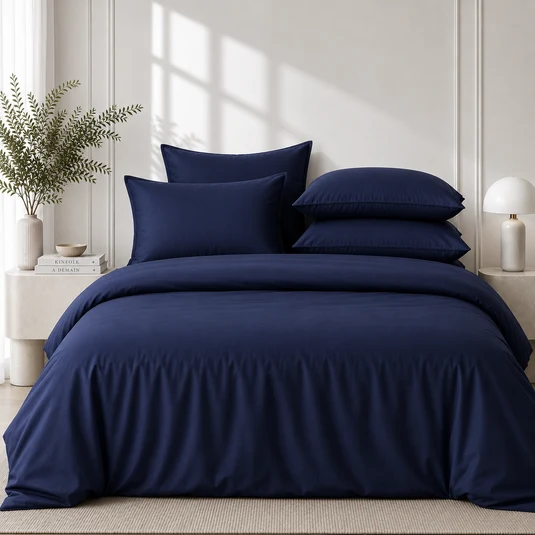
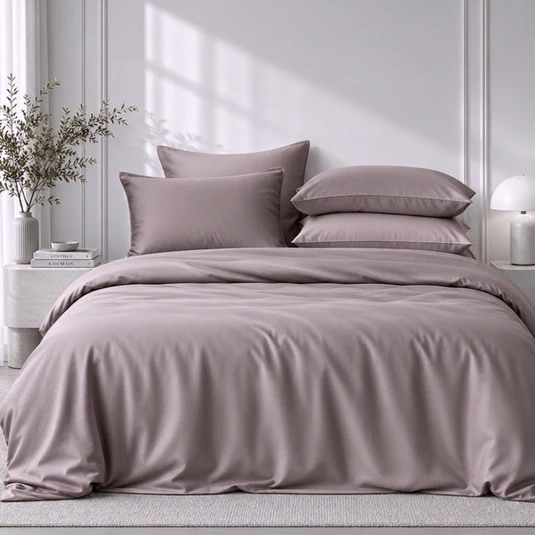
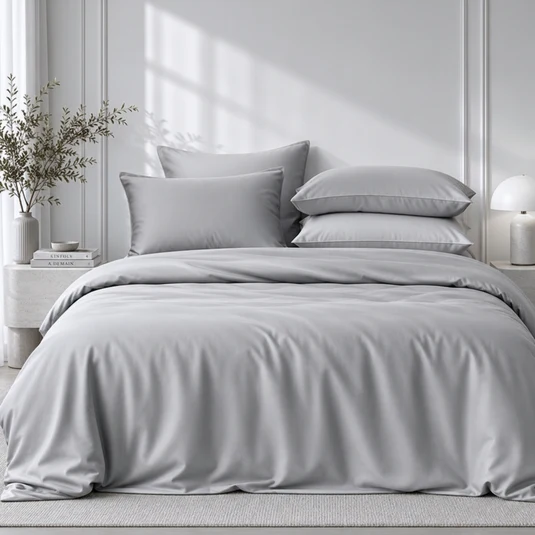
Before ordering, confirm whether the product includes a duvet insert, duvet cover, pillow shams, or other components. Product photos may show accessories that are not included.
Compare Dimensions with Your Mattress
Do not rely only on labels such as twin, full, queen, or king. Compare the product's listed width and length with the dimensions of your mattress and bed frame.
Consider how much coverage you want on each side of the bed. A larger duvet may create more overhang, while a closer fit can produce a cleaner and more tailored appearance. Mattress depth and bed height may also affect the final look.
Consider Warmth and Weight
Duvet warmth can be influenced by fill type, fill amount, construction, and overall weight. There is no single warmth level that suits every room or personal preference.
Consider your local climate, room temperature, season, and preferred bedding weight. Review any warmth or seasonal rating supplied by the manufacturer rather than estimating warmth from thickness alone.
Review the Fill Material
Common duvet fills include down, feathers, synthetic fibers, cotton, wool, and other materials. Each category can contain products with different compositions and construction methods.
- Down and feather: Often selected for a light and soft feel, with performance depending on composition and fill amount.
- Synthetic fiber: Available in various weights and commonly used for practical everyday bedding.
- Cotton or wool: Natural fiber options with characteristics that vary by processing and construction.
Check the full material breakdown because a product may combine more than one type of fill.
Check the Outer Shell
The shell is the fabric that contains the filling. Cotton, polyester, blends, and other textiles may be used. Review the fabric composition, surface finish, stitching, and care instructions to determine whether they match your preferences.
Look at the Construction
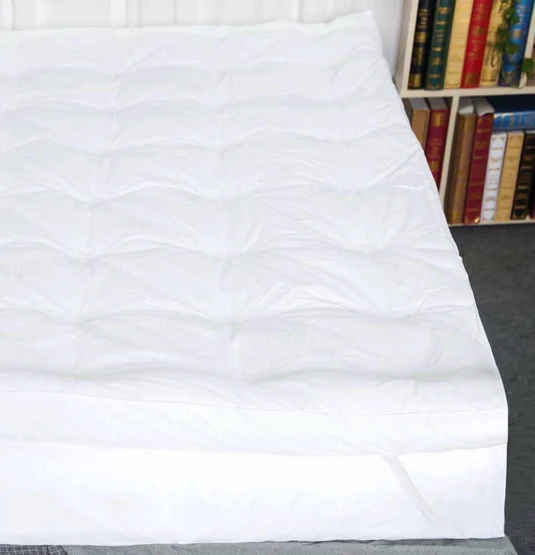
Stitched sections or internal compartments can help distribute fill throughout a duvet. Construction terms and designs vary, so use the product description and close-up images to understand how the item is assembled.
If you are selecting a duvet cover for a separate insert, check for corner ties, buttons, or zipper closures and confirm that the two pieces have compatible dimensions.
Read the Care Requirements
Some duvets can be washed at home, while others may require a large-capacity machine or professional cleaning. Always follow the care label. Make sure you have suitable washing and drying equipment before choosing an item that requires full laundering.
Final Duvet Checklist
- Confirm whether the listing is for an insert, cover, or bedding set.
- Compare exact dimensions with your mattress.
- Review the stated warmth level and total weight.
- Check the fill and shell composition.
- Examine the stitching and closure details.
- Read all washing, drying, and storage instructions.
Reviewing these details will help you select a duvet that fits your bed, bedroom style, maintenance preferences, and desired level of warmth.