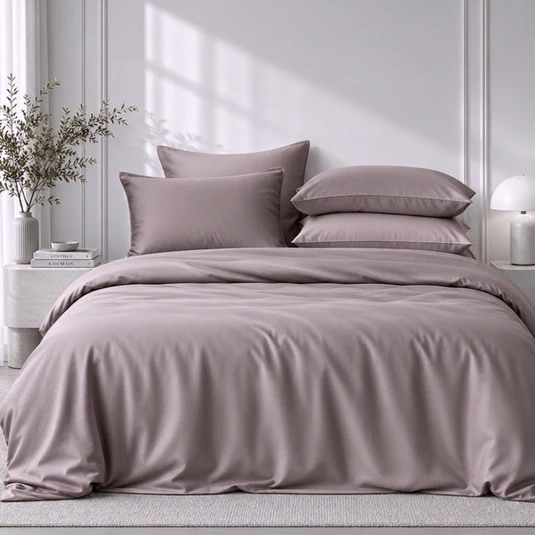
A well-styled bed can become the focal point of your bedroom. By arranging pillows and duvets in balanced layers, you can create an inviting look that remains practical for everyday use. The key is to consider proportion, color, texture, and how easily each layer can be arranged or removed.
Begin with a Simple Foundation
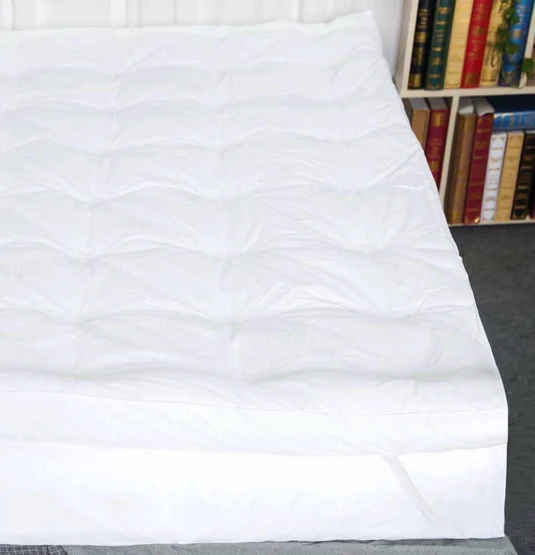
Start by straightening the main bedding layers and making sure they fit the mattress correctly. A tidy foundation helps the duvet and pillows sit more naturally and prevents the final arrangement from appearing uneven.
If you use several colors or patterns, choose one main design to lead the arrangement. The remaining pieces can support it through complementary shades and smaller decorative details.
Position the Duvet
A duvet can be spread evenly across the bed for a clean, complete look. For a more relaxed arrangement, fold the upper section down or place an additional folded layer near the foot of the bed.
Make sure the duvet dimensions provide the amount of side coverage you prefer. Size labels are not always identical between brands, so compare the listed measurements with your mattress before purchasing.
Arrange the Main Pillows
Place your regularly used pillows against the headboard or wall. They may be positioned flat, stacked, or placed upright depending on the available space and the shape of the pillows.
For larger beds, arranging pillows symmetrically can create a balanced appearance. A more casual arrangement can work well in relaxed or minimalist bedrooms.
Add Decorative Pillows Carefully
Decorative pillows can introduce a new color, pattern, or texture, but using too many may make the bed less practical. Begin with one or two accents and add more only if the arrangement still feels proportional.
Larger decorative pillows generally work best toward the back, while smaller square, round, or lumbar-style pillows can be placed in front. Check the dimensions of each item rather than relying only on product photos.
Coordinate Colors and Patterns
A simple approach is to select one dominant color, one supporting color, and one smaller accent. If the duvet has a noticeable pattern, consider using mostly solid pillows. If the duvet is simple, pillows can provide more visual detail.
Patterns do not need to match exactly. They can work together when they share a similar color palette or when their sizes are varied, such as combining a large pattern with a smaller one.
Use Texture to Add Depth
Mixing smooth, woven, quilted, or softly textured surfaces can add depth to a neutral arrangement. Limit the number of competing textures so the bed remains visually comfortable rather than overly busy.
Keep the Arrangement Practical
Consider how much time you want to spend arranging the bed each day. A few well-chosen pillows and one neatly positioned duvet may be more suitable than a large decorative setup that must be removed every evening.
Complete the Look
Step back and view the entire bed before adding more pieces. Check whether the colors feel balanced, the pillows are proportional, and the duvet falls evenly. A successful arrangement should complement the bedroom while remaining comfortable and manageable for everyday living.