Choosing a pillow involves more than selecting a color or design. Size, intended use, filling, firmness, height, and care requirements can all influence how suitable a pillow is for your bedroom. Understanding these details can help you compare products more confidently and avoid choosing a pillow based only on its appearance.
Decide How the Pillow Will Be Used
First, determine whether you need a pillow for regular use, decorative styling, reading, or creating additional layers on the bed. A decorative pillow may prioritize shape and appearance, while a regularly used pillow may require closer attention to its filling, firmness, dimensions, and maintenance.
Check the Actual Dimensions
Terms such as standard, queen, and king can be helpful, but exact measurements may vary between products and brands. Review the listed width and length and compare them with your pillowcases, protective covers, bed size, and existing pillows.
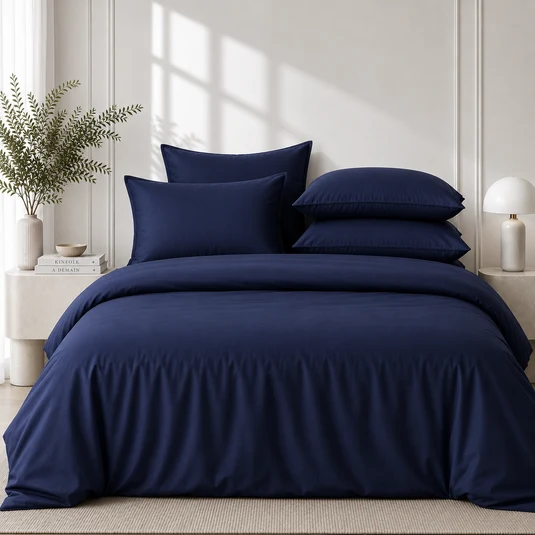
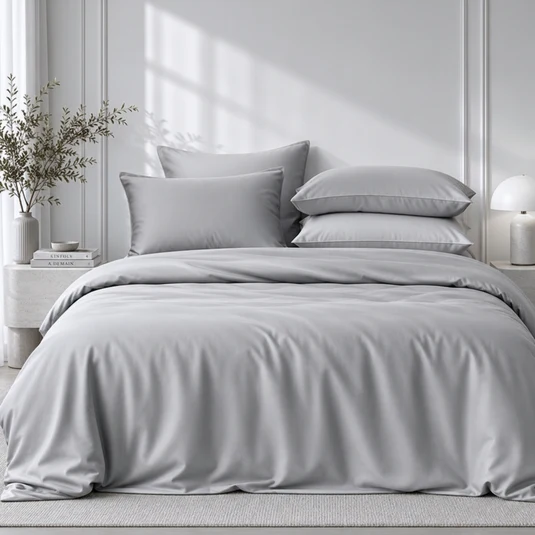
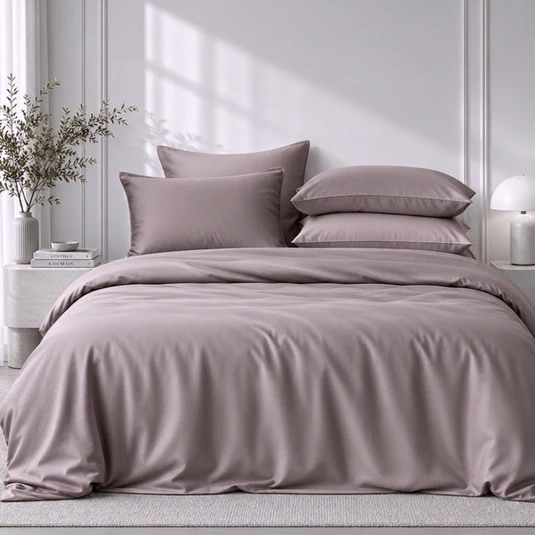
If you are combining several pillows, consider how their dimensions will fit across the width of the bed. Large pillows can create a strong visual foundation, while smaller pillows work well as front accents.
Understand Common Fill Types
Different fillings can produce different levels of softness, structure, and flexibility. Common examples include:
- Down or feather fill: Often provides a soft and adjustable feel, although composition and firmness can vary.
- Synthetic fiber fill: Available in many densities and commonly selected for its practical everyday use.
- Foam: Usually offers a more structured shape, but density and construction differ between products.
- Natural fiber fill: May include cotton, wool, or other materials with product-specific characteristics.
Always check the exact composition instead of assuming that every pillow within a general fill category will feel the same.
Compare Firmness and Loft
Firmness describes how soft or resistant a pillow feels when pressure is applied. Loft refers to its height or thickness. These qualities are related but are not identical. A tall pillow may still feel soft, while a thinner pillow may have a firmer construction.
Your choice should reflect your personal comfort preference and how you intend to use the pillow. When available, review the manufacturer's firmness description and product measurements.
Review the Outer Material and Construction
The outer shell can affect the pillow's surface feel and care requirements. Look for information about fabric composition, stitching, removable covers, zippers, and whether the filling can be adjusted.
Decorative details such as embroidery, textured surfaces, buttons, or trims may require more specific handling than a simple removable cover.
Check Cleaning and Care Instructions
Some pillows may be machine washable, while others require spot cleaning, professional cleaning, or washing only the removable cover. Follow the care label supplied with the product. Incorrect washing or drying can change the filling, shape, or outer material.
Consider a Compatible Protective Cover
If you plan to use a protective cover, confirm that its dimensions and closure style are compatible with the pillow. Check the stated features carefully and do not assume that a cover provides waterproof or other specialized protection unless clearly described.
Use a Final Comparison Checklist
- Confirm the pillow's intended use.
- Compare the dimensions with your bedding.
- Review the fill composition and outer material.
- Check the stated firmness and loft.
- Read the cleaning and drying instructions.
- Confirm what is included in the product listing.
Taking time to review these details can help you choose a pillow that fits both your bedroom arrangement and personal preferences.