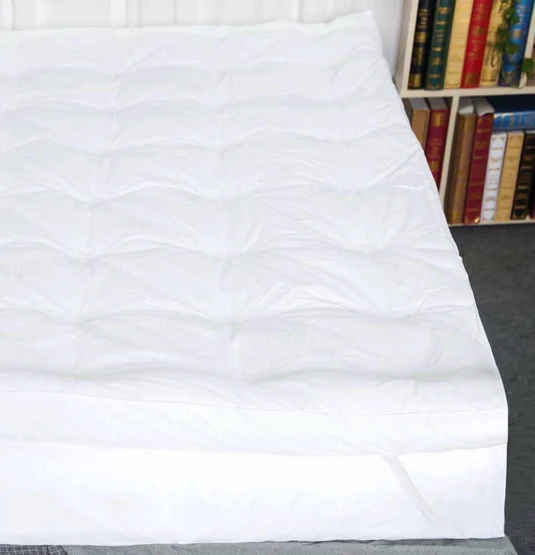
A protective cover adds a removable layer around a pillow, mattress, duvet, or other compatible bedroom item. Selecting the right cover requires more than choosing the correct product category. Dimensions, intended use, material, fit, closure, care requirements, and stated protection features should all be reviewed.
Identify the Item You Want to Protect
Protective covers are designed for specific types of bedding. A pillow protector, mattress protector, and duvet cover have different shapes, closures, and intended uses. Confirm that the product is made for the item you want to cover.
A duvet cover can protect a duvet insert from direct everyday contact, but it should not automatically be treated as waterproof or water-resistant. Those features must be clearly stated in the product specifications.
Measure the Bedding Carefully
Measure the length, width, and, where relevant, depth or thickness of the item. Compare these measurements with the dimensions shown in the product listing.
Labels such as standard, queen, and king can vary between brands. Exact measurements provide a more reliable basis for comparison than size names alone.
Understand Protection Terms
Different covers are designed to provide different levels of protection. Review the wording carefully:
- General protective cover: Adds a removable layer between the item and everyday use.
- Water-resistant: May resist limited moisture under specified conditions but is not necessarily waterproof.
- Waterproof: Is designed to provide a moisture barrier according to the manufacturer's stated specifications.
- Full enclosure: Surrounds more of the item and typically uses a zipper or similar closure.
Performance can vary by material, construction, use, and care. Do not assume protection against allergens, liquids, stains, or other conditions unless the manufacturer specifically makes and supports that claim.
Review the Material
The material can influence surface feel, flexibility, noise, weight, and cleaning requirements. Protective covers may use cotton, polyester, blended fabrics, membranes, or other materials.
If the cover will sit directly beneath a pillowcase, sheet, or duvet cover, consider whether its thickness and surface texture suit your preferences. Review the complete material composition rather than relying only on appearance.
Choose an Appropriate Closure
Common closures include zippers, buttons, envelope openings, elastic edges, and fitted designs. A closure should help keep the cover in position while remaining compatible with the item underneath.
For zippered covers, inspect the stated zipper placement and whether the product fully encloses the item. For fitted covers, confirm the supported depth or thickness range.
Check Cleaning Requirements
A protective cover is most practical when its care requirements suit your routine. Check whether it is machine washable, suitable for tumble drying, hand washable, or limited to spot cleaning.
High temperatures, bleach, or certain drying methods may damage some protective layers. Always follow the care label, even if the outer fabric resembles another washable product.
Confirm the Product Details Before Ordering
- Identify the bedding item the cover is designed for.
- Compare exact dimensions and thickness requirements.
- Review the stated protection level.
- Check the material composition and construction.
- Choose a suitable closure type.
- Read the washing and drying instructions.
- Confirm the quantity and included pieces.
A well-matched protective cover should fit the intended item, offer the features described in its listing, and be practical to remove and maintain. Reviewing every specification before purchasing is the best way to avoid problems with fit or expected performance.